

Go-to-Market Strategy · Prepared by RevSculpt

Outbound built on the public port record.

HFH Grupp has the workshop, the RINA certification and the Baltic location. What is holding growth back is not capability. It is reach: getting HFH in front of the technical superintendent on the ship that has a live reason to book work in the Baltic this quarter.

How the pipeline compounds
Watch
Baltic ports, ships in HFH service radius, live inspection record
Match
Ship-level findings mapped to what the workshop actually does
Reach
Technical superintendent contacted with a specific vessel and a specific reason
Compound
A single booked scope pays back the engagement, and the ship comes back
01
Why capability is not what is holding this back
HFH has the workshop, the certifications and the Baltic location. What growth needs is a reliable way to reach the technical decision-maker on the ship that has a live reason to book work this quarter. That is a reach and timing problem, and it is exactly what an outbound engine solves.

The capabilityCertified workshop, in the right port

RINA Workshop Approval Statement REC143925XF/001, valid 18 December 2025 to 18 December 2028. Baltic-based workshop within reach of the ports where ships actually stop for work between voyages. The technical case for HFH is already made.

Why generic outbound underperformsSuperintendents ignore vendor pitches

A fleet technical superintendent will never reply to a service brochure. They reply when someone reaches out about a specific vessel with a specific finding, in the port where it just called, in the window before it sails again. Felt problem, in their language, on their timeline.

What actually worksThe public port record

Port State Control inspectors publish every deficiency they raise, dated and named to the ship. Ships publicly file their next Baltic port call. Class societies publish survey and drydock windows. Every one is a dated, verifiable reason a vessel might need workshop work in the region HFH serves.

The team they would hireBoring in the good way

The technical superintendent does not want an exciting story. They want a certified workshop, a real address in a real port, and someone who can quote the finding back to them. HFH has all three. Our job is to make sure the superintendent hears about HFH before the ship sails.

Our job is not to generate more noise. It is to find ships with a documented reason to book workshop work in the Baltic, in HFH's service radius, and reach the person who signs the purchase order before the vessel leaves port. Client references from hfh.ee are excluded from all outbound; HFH is providing verified references separately.
TAM
The Baltic vessel market in HFH's radius
Ships that call at Baltic ports within HFH's practical service reach. Every figure below carries a named source. Ranges, not precision. Refined once we start pulling the actual port-call and inspection data.

Baltic port trafficThe rolling opportunity pool

~200,000+ annual port calls across major Baltic ports (source: HELCOM Maritime Assessment 2023 and BPO throughput statistics)

  • Major cargo and RoPax ports: Tallinn, Riga, Klaipeda, Gdansk, Gdynia, Helsinki, Stockholm, Kiel, Rostock, St Petersburg neighbours (source: Baltic Ports Organization).
  • Vessel types in scope: RoPax and passenger ferries, general cargo, container feeders, tankers, bulk carriers, offshore support (source: HELCOM AIS fleet composition).
  • Ships repeatedly calling Baltic: a knowable, addressable fleet, not a global universe. AIS makes it directly measurable per quarter.
HFH does not need every port call. HFH needs the small share of ships where a workshop scope was already going to happen inside the service radius this quarter.

Paris MoU inspection flowThe signal pool

~17,000+ Port State Control inspections per year across Paris MoU region (source: Paris MoU Annual Report 2023)

  • Inspections per year with deficiencies raised: the majority of inspected ships receive at least one written deficiency (source: Paris MoU statistics).
  • Baltic-region share: Estonia, Latvia, Lithuania, Poland, Finland, Sweden, Germany are all Paris MoU members with active inspection programmes at Baltic ports.
  • Deficiencies in HFH scope: a specific subset of the Paris MoU deficiency code list maps to workshop work HFH actually does.
Paris MoU inspection results are public, dated and structured. That is what makes them a signal, not a marketing claim.
The addressable pool for HFH is not "the world fleet". It is ships in the Baltic, in HFH's service radius, with a documented reason to book workshop work. That is a small, knowable list that refreshes every week.
02
Who actually has to say yes
Workshop work on a merchant vessel is not decided by one person. The technical superintendent scopes it, the ship manager approves it, the master signs the port order, and procurement releases the PO. We contact the layer that decides, not the layer that only feels the pain.

Companies we huntOwners and managers of ships that call the Baltic

Third-party ship managersOwner-operators (in-house technical)RoPax and ferry operatorsShort-sea and feeder linesTanker operatorsBulk operatorsOffshore support operatorsPort agents and technical agents
Core lanes first: Baltic-based operators and third-party managers whose ships repeatedly call HFH's home ports. Global operators added as they schedule Baltic calls.

Who we open · the decision-makerThe person who signs the workshop order

Technical DirectorTechnical SuperintendentFleet Technical ManagerSuperintendent EngineerPort EngineerDPA (Designated Person Ashore)Head of Fleet OperationsProcurement ManagerPurchasing ManagerPort CaptainMarine Manager
Geography
Estonia, Latvia, Lithuania · coreFinland, Sweden, Poland · coreGermany, Denmark · wave 2Norway, Netherlands · widerLocalised: English, Russian, Estonian.
List is built person by person, with the right job title and a verified work email. Not a scrape of info@ addresses. Every message goes to the technical superintendent who actually authorises workshop scopes.
03
The three signals we build and maintain
Three purpose-built watchers we build for HFH. Not a marketing list, not a static database. Live feeds we keep running against Paris MoU, AIS and class registers, refreshed weekly. Every ship in the engine has a specific reason to be there this week.
SignalSourceClassWhy it matters for HFH
Signal 1 · Paris MoU deficiencies in HFH scope (deficiency codes mapped to workshop services HFH performs)Paris MoU inspection results, structured by deficiency codeHigh-intentDeficiencies carry rectification requirements. The subset of codes that maps to workshop scope is where HFH has a real reason to reach out with a specific vessel and a specific finding.
Signal 2 · Ships scheduled into HFH's home ports (next Baltic port call within service radius)AIS destination and ETA + port call scrapersTimingEven a fit prospect is not workable until the ship is actually coming to a port HFH can reach. Timing turns a good lead into a bookable one.
Signal 3 · Survey or drydock window approaching (5-year class-renewal cycle plus intermediate surveys)Class society registers plus EquasisTimingWorkshop scopes are planned before the ship arrives. Reaching the superintendent in the window before the survey is when the PO gets shaped.
Composite · Signal 1 + Signal 2Deficiency in scope + next port call in HFH radiusHighestThe reason and the timing land at the same time. This is the hot list.
New Technical Superintendent / Fleet Technical Manager hireLinkedIn Sales Navigator + hire trackingTimingA new leader in the seat wants a visible win in their first 90 days. Warm cold conversation.
Operator opening a Baltic office or routeTrade press: TradeWinds, Splash247, industry announcementsTimingNew regional presence means new workshop needs, no incumbent defending.
Website de-anonymisationRB2B or Koala pixel on hfh.eeHigh-intentOperators browsing HFH's services already. Capture demand already generated.
CRM reactivationHFH's own CRM: prior quotes, dormant contactsHigh-fitThe cheapest pipeline in the system. Re-engage warm history from prior scopes.
Deficiency-signal tone: we never write to someone in a way that reads as accusing their ship of being unsafe. The message is that a specific workshop has capacity in the port they are heading to, and can quote the finding they are already dealing with. Same signal, no insult.
Signal 1 note. The Paris MoU code list is public. The subset that maps to HFH workshop scope is agreed with HFH in week one, before any outreach ships. We do not guess the mapping.
04
The evergreen base the signals sit on
The three signals catch ships with a live reason to book work this week. The evergreen base is the layer underneath: every operator and manager with vessels in the Baltic, contacted properly and repeatedly, so when a signal fires HFH is already a name they recognise.

The listBaltic operators, technical superintendents, managers

Every third-party ship manager and owner-operator whose vessels call HFH's home ports at meaningful frequency. Enriched to the technical superintendent with a verified email. Segmented by fleet size, vessel type, and how often the fleet appears in HFH's service radius.

Ship managersOwner-operatorsFerry linesFeeder operatorsTanker operatorsBulk operators

The cadenceSteady, useful, never a firehose

A small industry with a long memory. The evergreen touches are useful (an HFH capability note, a workshop-slot update, a Baltic port-call summary), not pitches. When Signal 1 or Signal 2 fires against a name already on the list, the outreach lands as a warm follow-up, not a cold approach.

Email primaryLinkedIn for senior rolesWarm caller on engaged leads (10k tier)
Every message and every profile touch clears the Inbox gate: Deliverability score of 90 or higher and ICP Clarity of 75 or higher, both in the same pass. Every reference to a vessel or a finding is from a real public record. If we cannot verify it, it does not ship.
Deliberate restraint on hfh.ee client claims. HFH's testimonials, case-study percentages and unverified customer names are excluded from every message. HFH is providing verified references separately, and those go into the copy in writing.
05
Email, LinkedIn, warm calling on the hot list
Technical superintendents read plain industry email. Senior technical roles are on LinkedIn. And when someone opens, replies or engages, a warm human call presents HFH properly and qualifies the lead before HFH's team ever picks up the phone. Three channels, orchestrated as one motion, logged to HFH's CRM.

Channel 01 · PrimaryEmail that names the ship

  • Plain copy that names the vessel, the port call and the finding, not a service brochure.
  • Signal-timed touches, never a firehose on a small, connected industry.
  • Localised: English, Estonian, Russian, per recipient.
  • Sending from separate warmed domains; hfh.ee reputation is never at risk.

Channel 02 · LinkedInSenior technical roles

  • LinkedIn Sales Navigator for Technical Directors, Superintendents, Port Engineers, DPAs.
  • Warm connect plus signal-referenced message, never generic pitch.
  • Verified vessel and finding before any Signal 1 message ships.
  • Cadenced with the email track so no account is double-touched.

Channel 03 · Warm callingFollow up on engaged leads, qualify, hand over

  • Dedicated warm caller phoning only leads who have already engaged: opens, replies, LinkedIn responses, form fills.
  • Presents HFH properly: workshop, RINA scope, port and reach, the vessel or scope in the outreach.
  • Qualifies: right decision-maker, real workshop scope in the horizon, timing, fit.
  • Books the meeting for HFH's team with a full brief already in the CRM.
Every message, every profile touch and every call clears the Inbox gate: Deliverability score of 90 or higher and ICP Clarity of 75 or higher, both in the same pass. Every reference to a vessel or a finding comes from a real public record. HFH's team only talks to leads that have already been qualified.
06
Events: turn a trip into a full diary
Maritime buyers gather in a handful of predictable rooms per year. A booth or a trip without pre-booked meetings is a hope, not a schedule. We turn each show HFH attends into a diary before the show opens, and roll every touched contact into the evergreen engine after.

6-8 weeks beforeTarget list built

Pull the exhibitor and attendee lists. Find the technical superintendents, port engineers and procurement leads whose fleets call HFH's ports. Build the target list against the ICP.

4-6 weeks beforeOutreach starts

Aim at booked meetings, not awareness. Two weeks before, confirm slots and hand HFH's team a schedule for the trip.

During and afterLive follow-up plus evergreen

Chase no-shows and walk-ups live. After the show, follow up every contact on the list whether they met HFH or not. The list rolls into the evergreen engine.

Priority shows for HFH, based on where Baltic technical decision-makers gather: SMM Hamburg (1-4 September 2026, biennial, the largest maritime trade show in the world), Nor-Shipping (Oslo, biennial), Europort (Rotterdam), Shippax Ferry Conference. Plus Baltic-regional shows: Baltic Ports Conference, national maritime clusters in Estonia, Finland and Poland.
Which shows HFH already attends, and which HFH wants to attend next year, needs confirming before we build any of these campaigns. Dates and venues get verified per event, not assumed.
Case study video
A short walkthrough of how the signal engine works in practice, narrated over real examples.
Prefer to open in a new tab? Watch on Loom.
07
Investment
Two ways to run it. Take one to prove the mechanism, or run both together for the full machine. Event support is added per show HFH works. All pricing in EUR, monthly, no setup fee, no long lock-in.

How the pricing worksSimple and transparent by design

Two clean options instead of a five-tier ladder. Evergreen (5,500) for always-on reach across every operator and ship manager with vessels in the Baltic. Signal outreach (7,500) for the three custom watchers built for HFH. Run both together for 10,000 and save 3,000 versus buying them separately, and a warm caller is bundled in at no extra cost. They work better together anyway: the evergreen list makes the signal outreach warm, and the warm caller qualifies every engaged lead before HFH's team ever picks up the phone.

What is always includedBaseline across every programme

  • Human-reviewed copy through the Inbox gate: Deliverability score of 90 or higher and ICP Clarity of 75 or higher, same pass
  • Every reference to a vessel or a finding is from a real public record, never invented
  • CRM integrated: replies routed to the right person at HFH and logged
  • Separate warmed sending domains; hfh.ee reputation is never at risk
  • Monthly reporting on meetings, not open rates
Evergreen outreach
Always-on reach across every operator and ship manager with vessels in the Baltic.
€5,500/mo
  • Full list of Baltic operators, managers and owner-operators
  • Enriched to the technical superintendent with a verified work email
  • Multichannel: email plus LinkedIn for senior technical roles
  • Localised: English, Estonian, Russian per recipient
  • Replies routed to HFH's team, logged, tracked to outcome
  • Monthly senior review
Best when HFH wants the Baltic operator market to recognise the workshop, so a scope in twelve months lands on someone who already knows the name.
Signal outreach
Three custom watchers built and maintained. Ship-level targeting, timed to the port call and the survey window.
€7,500/mo
  • Signal 1: Paris MoU deficiencies filtered to HFH workshop scope
  • Signal 2: AIS-driven Baltic port call list, refreshed weekly
  • Signal 3: class survey and drydock window model
  • Composite: deficiency plus upcoming port call = the hot list
  • Ship-to-superintendent enrichment and verification
  • Weekly reporting
Best when HFH wants precision and timing on the ships that actually have work coming, this quarter, in ports HFH can reach.
Recommended
Both together · 10,000 / month
Signal outreach plus Evergreen run as one machine. The signal lists sit on top of the evergreen base, so a manager we contacted cold today gets contacted again the moment one of their ships shows a signal.
  • Everything in Evergreen outreach
  • Everything in Signal outreach (three feeds plus composite)
  • Warm calling included. Dedicated warm caller phoning leads who have already engaged (opens, replies, LinkedIn responses, event scans). Presents HFH, qualifies the lead, books a meeting for HFH's team with a full brief already in the CRM.
  • Priority senior review plus monthly roadmap
  • 3,000 below buying Evergreen and Signal separately. Warm calling on top at no extra cost when bundled
Optional add-on

Events, per show HFH works.

Full pre-show, on-show and post-show campaign per event. Not always-on. Billed only when HFH attends or exhibits.

Add-on · Events
Event campaign
+€2,500/event
Target list built 6-8 weeks out, outreach starts 4-6 weeks out, meetings confirmed in the final two weeks, live follow-up during, and the whole list rolls into evergreen after.
SMM Hamburg Nor-Shipping Europort Shippax Ferry Conference Baltic Ports Conference + Estonian, Finnish, Polish maritime clusters
Most clients pick two or three shows a year and treat the rest as evergreen. Each show equals 6 to 12 months of compounding pipeline.

Why the maths worksThe payback shape

Workshop scopes for merchant vessels are not small. A repeat customer, a repair contract, or a scheduled workshop package can easily cover a year of the full programme.

Set that next to the fee. A year of the full programme (10,000 × 12 = 120,000) is a small share of even a modest recurring account. We do not need to fill HFH's pipeline with fifty new customers. We need to put HFH in front of the right superintendent at the right moment, and win the account that keeps coming back.

Confirm HFH's average project value, win rate and capacity ceiling, and this stops being "a small share" and becomes a real number.


What is explicitly NOT hereBecause it does not fit HFH

  • Google Ads and paid. Superintendents do not search for workshops. Not our motion.
  • Volume-only cold email. Maritime is small and connected; volume-only destroys trust. Every message is signal-referenced.
  • Accusatory Paris MoU messaging. We use deficiency data as timing information, not as a stick. If a message would embarrass the reader, it does not go out.
  • Any client reference or performance claim taken from hfh.ee. Not without HFH's separate written verification.
Every message clears the RevSculpt Inbox gate: Deliverability score of 90 or higher and ICP Clarity of 75 or higher, both in the same pass. Every fact about HFH on the page is either sourced from hfh.ee or flagged for HFH to confirm. Real senior review before launch, not a template on autopilot. Confirm minimum contract term before proposal.
08
Who’s Leading It
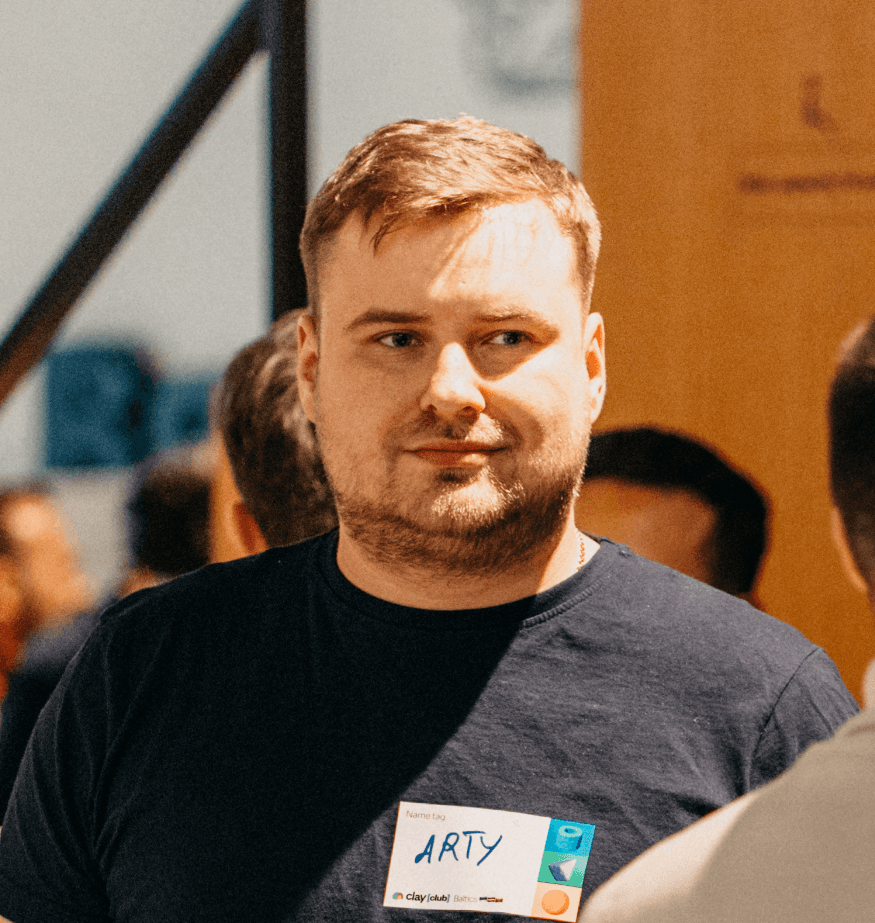
Artyom Jurkevich
Salesforge Forge Expert Clay Expert
Artyom Jurkevich
Founder, RevSculpt
  • 12 years in B2B sales, founder-led outbound
  • Two-time agency founder, one successful exit
  • GTM Club host and speaker in Riga, Latvia
  • $30M pipeline driven for clients across 15 verticals
Industries we work with
Healthcare TechFinTechB2B Marketing AgenciesSupply Chain & Logistics TechConstruction TechPropTechProfessional ServicesCyberSecurityMaritimeMarTechVCsAccelerators
Approved by backed startups
Top brands we’ve helped our clients land
OSM Thome
Maersk
Miro
Client
Client
Client
Client
Client
Client
Client
Top Rated GTM Agency
5/5